
Cord Packers Hatchets Hoes
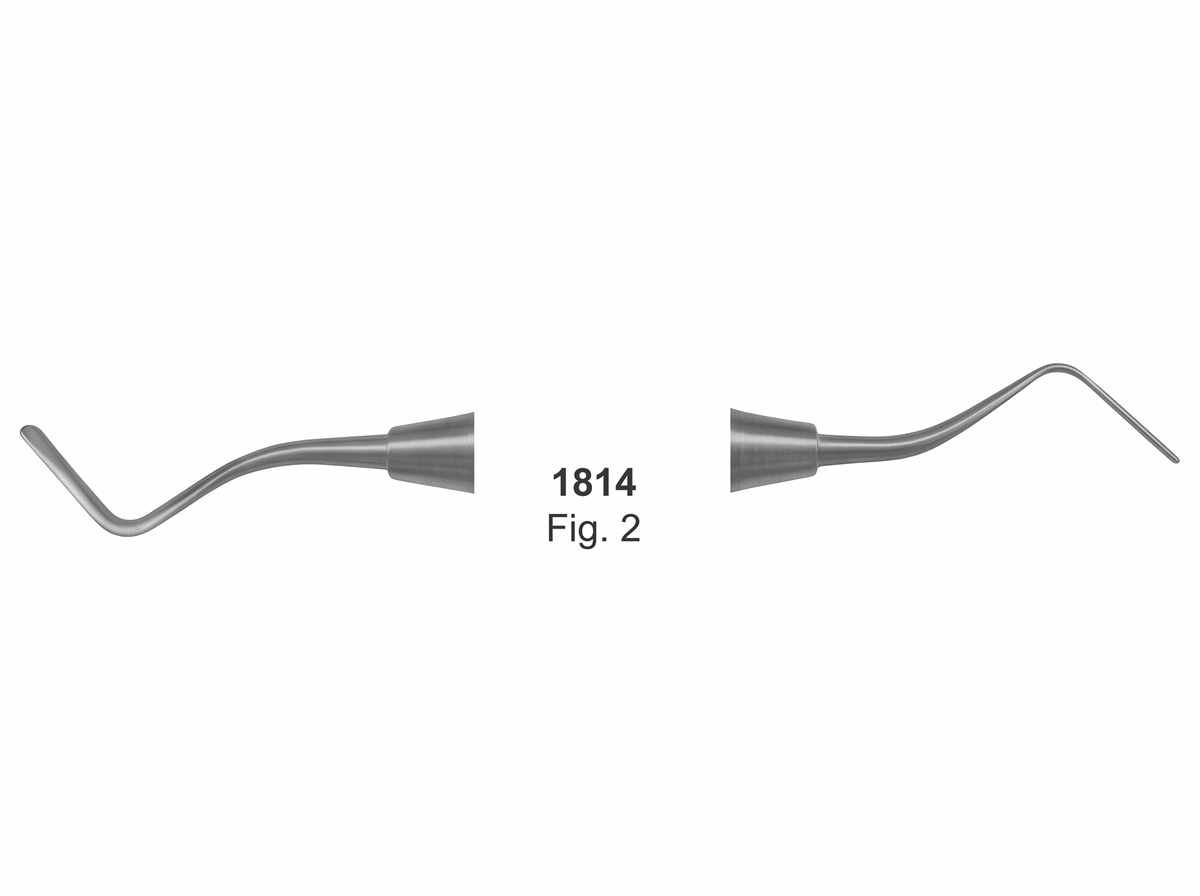
Intro Description Engineered for the precise placement and gentle packing of retraction cords into the gingival sulcus prior to impression-taking, the SIRGIKAL 1814 Gingival Cord Packer delivers exceptional tactile feedback, tissue safety, and marginal precision. Manufactured from certified medical-grade stainless steel featuring delicately angled hatchet/hoe working blades and an ergonomic knurled handle, this specialized instrument ensures secure subgingival cord placement without damaging delicate periodontal tissue or the epithelial attachment. Featuring a smooth non-stick finish and robust structural integrity, it guarantees dependable performance across rigorous dental clinic sterilization cycles.
Product Specifications
-
Item Code: 1814 (Gingival Cord Packer / Hatchet & Hoe Pattern)
-
Material: Certified Medical-Grade Stainless Steel (ASTM F899 compliant)
-
Configuration: Double-Ended Periodontal Retraction Instrument
-
Finish: Satin / Smooth Non-Stick
Key Features
-
Finely Rounded Working Blades: Smoothly angled hatchet and hoe configurations designed to gently depress and adapt retraction cord uniformly around prepared tooth margins.
-
Non-Traumatic Edge Geometry: Carefully polished edges prevent fiber catching, cord displacement, and soft tissue laceration during subgingival packing.
-
Ergonomic Knurled Handle: Textured grip geometry ensures steady manual control, anti-slip precision, and reduced hand fatigue during delicate prosthetic workflows.
-
Corrosion-Resistant Passivation: Chemical citric passivation forms a dense chromium-oxide protective barrier, guaranteeing complete corrosion resistance across repeated high-temperature hospital sterilization cycles.
Usage
-
Prosthodontics & Restorative Dentistry: Placing and adapting gingival retraction cords into the sulcus to achieve optimal tissue displacement and hemostasis prior to crown and bridge impressions.
-
Dental Clinic Utility: Essential clinical instrument relied upon by general dentists and prosthodontists requiring high-precision control during fixed prosthodontic procedures.